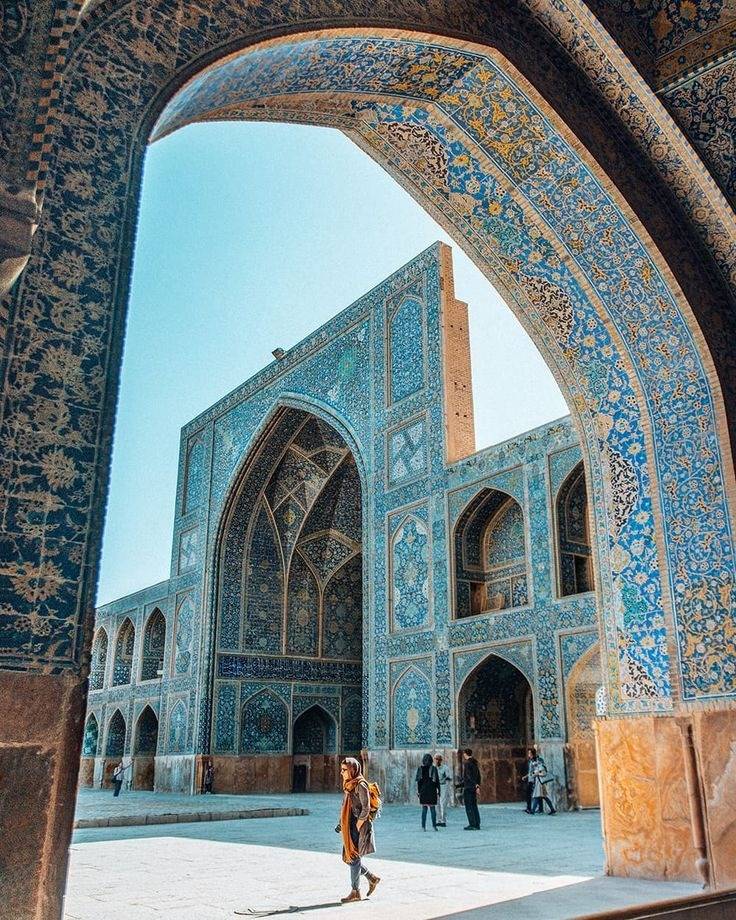
During your trip to Iran, which cities you must visit?
Iran is full of wonders beyond its capital. From historic bazaars to breathtaking mosques, travelers will find endless beauty and hospitality across the country. In this guide, we uncover Iran hidden gems cities to visit—5 unforgettable destinations that showcase the nation’s culture, cuisine, and charm.
1. Tehran: A Modern Metropolis with Ancient Roots
As the bustling capital of Iran, Tehran offers a fascinating blend of ancient history and modern urban life. This extensive metropolis is an alive hub of culture, commerce, and innovation, with many attractions that satisfy diverse interests. From its grand historical sites to its bustling bazaars and flourishing art scene, Tehran has something to offer every traveler.
Historical Overview:
Tehran’s history dates back to the 12th century, when it was a small village known as Teheran. Its rise to prominence began in the late 18th century when it was chosen as the capital of the Qajar dynasty. Under the Qajar’s, Tehran underwent significant development, with the construction of many palaces, mosques, and public buildings. The city continued to expand and modernize throughout the 20th century, reflecting the changing political and social landscape of Iran.
Must-See Attractions:
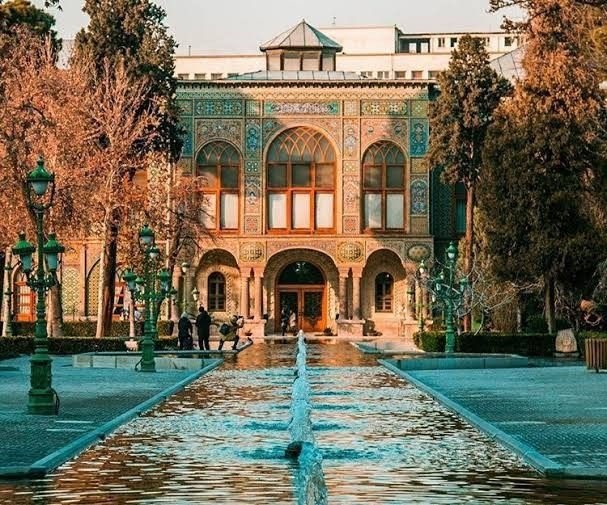
- Golestan Palace: This UNESCO World Heritage Site is a magnificent complex of palaces, courtyards, and museums that offer a glimpse into Iran’s rich history. The Golestan Palace was once the royal residence of the Qajar dynasty and features exquisite Persian architecture, intricate tile work, and stunning gardens.
- Grand Bazaar: With narrow alleyways and bustling shops, the Grand Bazaar is a must-visit for shoppers and culture enthusiasts alike. Here, you can find everything from traditional handicrafts and Persian carpets to spices, jewelry, and textiles. The bazaar is also a great place to experience the alive atmosphere of Tehran’s local life.
- Saadabad Complex: This sprawling complex of palaces and museums was the summer residence of the Qajar dynasty and then Pahlavi dynasty. The Complex offers a glimpse into the lifestyle of Iran’s former rulers and features beautiful gardens, museums, and historical buildings.
- The National Museum of Iran: This world-renowned institution houses an extensive collection of artifacts spanning millennia of Persian history from prehistoric times to the Sassanian era. Including exquisite pottery, metalwork, and sculptures. It comprises two main museums: The Museum of Ancient Iran and the Museum of Islamic Art. The latter houses a vast Islamic collection such as ceramics, textiles, calligraphy, and miniature paintings. The museum’s collection offers a captivating glimpse into the rich heritage of Iran and its significant contributions to world civilization.
- Azadi Tower: Azadi Tower, an impressive symbol of modern Iran, stands proudly in the heart of Tehran. This iconic monument, designed by Iranian architect Hossein Amanat, was constructed to commemorate the 2,500th anniversary of the Persian Empire. Its unique design, blending traditional Persian architectural with contemporary aesthetics, has made it a beloved landmark and a popular attraction.
2. Kashan: A Desert Oasis with Rich History
Kashan is a charming oasis known for its traditional Persian architecture, green gardens, and rich historical heritage. It is situated in the middle of the vast expanse of the Iranian desert. This ancient city offers a glimpse into Iran’s past, with its well-preserved historical sites and alive bazaars.
Must-See Attractions:
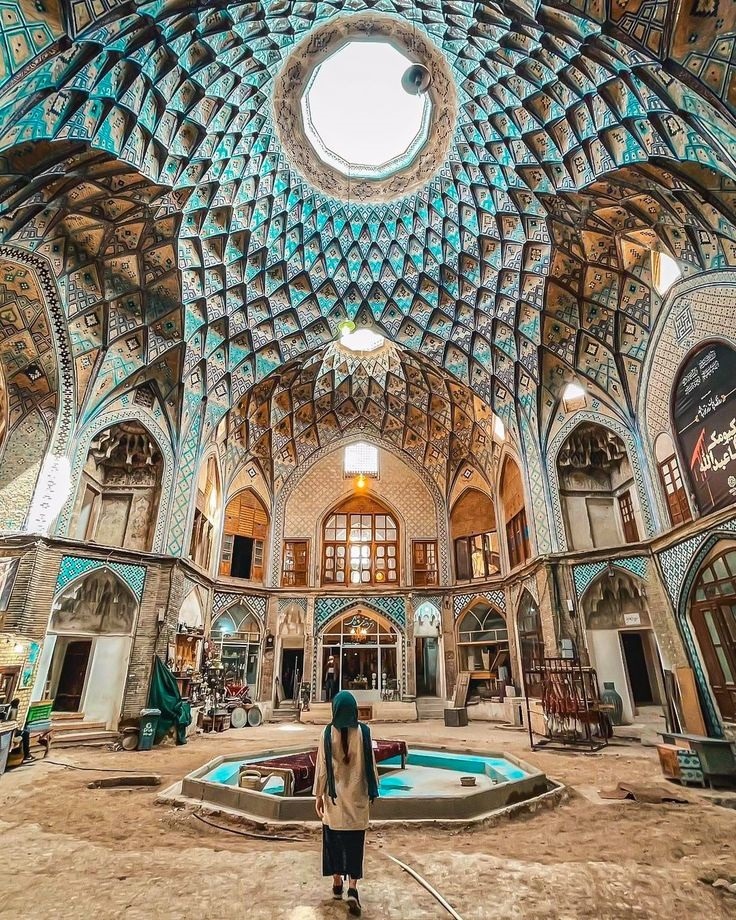
- Tabatabaei Historical House: This beautiful traditional Persian house offers a glimpse into the lifestyle of Iran’s wealthy families in the past. It is considered one of the most exquisite examples of traditional Persian architecture in Iran.
- Fin Garden: A UNESCO World Heritage Site, Fin Garden is a Persian garden located in the heart of Kashan. The garden features a variety of trees, flowers, and water features, as well as a traditional Persian bath. It’s one of the nine Persian gardens inscribed in UNESCO World Heritage List.
- Boroujerdi House: Another beautifully restored traditional Persian house, Boroujerdi House is known for its intricate architecture and stunning courtyard. The house is a great example of the craftsmanship and artistry of Kashan’s artisans.
- Sultan Amir Ahmad Bathhouse: This historic bathhouse is a testament to Kashan’s rich architectural heritage. The Sultan Amir Ahmad Bathhouse features stunning tilework, ornate plasterwork, and a central pool.
- Kashan Bazaar: The bustling bazaar of Kashan is a great place to shop for traditional handicrafts, spices, and textiles. The bazaar is also a great place to experience the alive atmosphere of Kashan’s local life.
Annual Events:
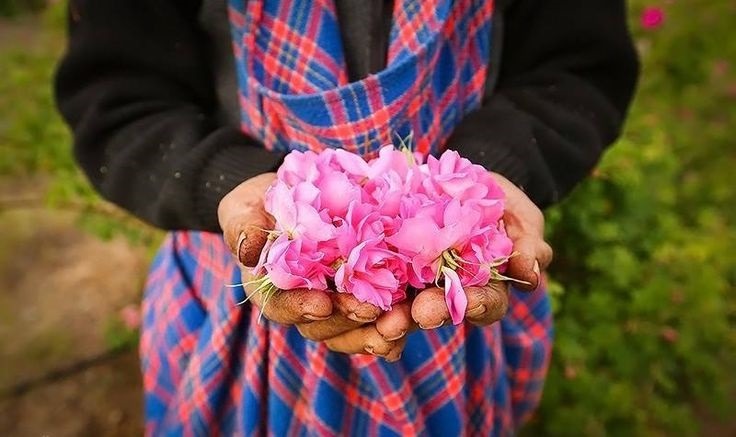
Rose Water Festival: in spite of being located in the middle of desert, Kashan is famous for its rose gardens! Which produce high-quality rose water. The city hosts an annual Rose Water Festival in the spring. During that, visitors can witness the traditional process of rose water production, and sample delicious rose-flavored drinks.
3. Isfahan (Esfahan): The Pearl of Persia
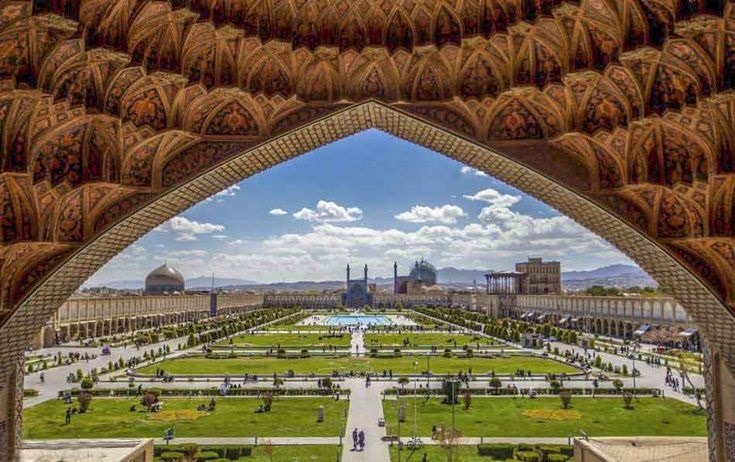
Isfahan, referred to as the “half of the world” due to its beauty and grandeur, is one of Iran’s most iconic cities. Renowned for its stunning architecture, alive bazaars, and rich cultural heritage, Isfahan offers a truly unforgettable experience.
Historical Overview:
Isfahan’s history dates back to the 5th century BC. The city has served as the capital of various Persian empires throughout the centuries. The city reached its peak under the Safavid dynasty (1501-1736), when it became a major cultural and economic center.
Must-See Attractions:
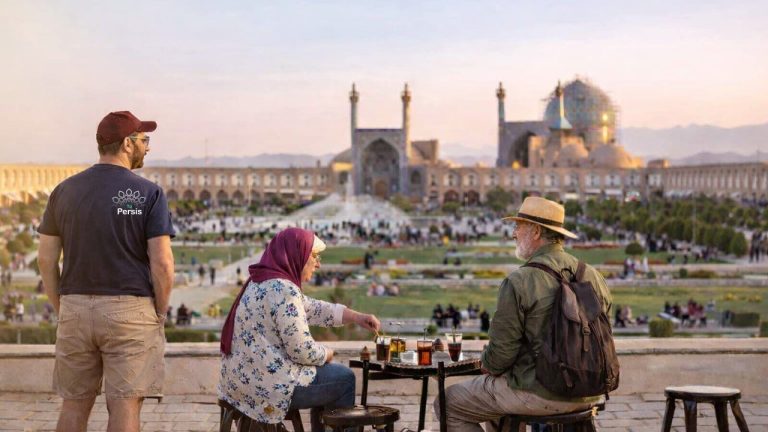
- Naqsh-e Jahan Square: A UNESCO World Heritage Site, Naqsh-e Jahan Square is one of the largest and most impressive squares in the world. The square is surrounded by historical buildings, including the Shah Mosque, the Sheikh Lotfollah Mosque, Aliqapu Palace, and the Qeisariyeh Bazaar.
- Shah Mosque: A masterpiece of Persian architecture during Islamic era, this mosque is famous for its intricate tilework, ornate calligraphy, and towering minarets. The mosque is a must-visit for anyone interested in Persian architecture and art.
- Sheikh Lotfollah Mosque: Another stunning mosque located in Naqsh-e Jahan Square, is Sheikh Lotfollah Mosque. Known for its unique dome, which is decorated with intricate tilework and calligraphy.
- Traditional Bazaar: A bustling bazaar surrounds the Naqsh-e Jahan Square, is a great place to shop for traditional handicrafts, spices, and textiles.
- Chehel Sotoun Palace: Near the Naqsh-e Jahan Square, located a beautiful palace complex, the Chehel Sotoun Palace. It is known for its stunning gardens, ornate halls, and intricate paintings. The palace was once the ceremonial and reception hall of the Safavid rulers.
4. Yazd: A must-visit city of wind towers and silence
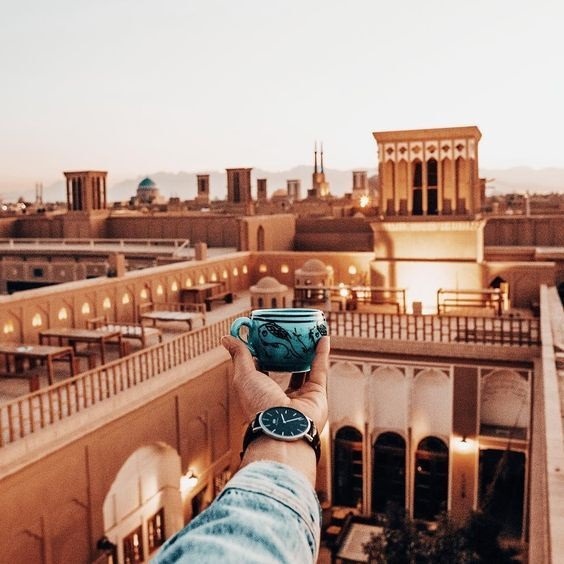
In the heart of the Iranian desert, there is a peaceful city, Yazd! It is a unique and captivating city known for its ancient mud-brick architecture, intricate windcatchers, and peaceful atmosphere. Yazd offers a glimpse into Iran’s rich history and culture. Also is a must-visit destination for travelers seeking a peaceful and authentic experience.
Historical Overview of Yazd:
Yazd’s history dates back thousands of years, with evidence of human settlements dating as far back as the 3rd millennium BC. The city flourished during the Sassanian Empire and later under the rule of the Islamic dynasties. Yazd’s strategic location along the Silk Road made it a prosperous center of trade and commerce.
Must-See Attractions:
- Jameh Mosque of Yazd: A masterpiece of Persian architecture, the Jameh Mosque of Yazd is one of the oldest and most impressive mosques in Iran. The mosque features stunning tilework, ornate calligraphy, and one of the tallest minarets.
- Amir Chakhmaq Complex: This historic complex includes a mosque, a bazaar, and a traditional Persian bath and windcatcher. The Amir Chakhmaq Complex is a great place to explore the architecture and culture of Yazd.
- Atashkade (Fire Temple): Atashkade, also known as the Zoroastrian Fire Temple, is a significant religious site located in Yazd, Iran. It is one of the few remaining active Zoroastrian fire temples in the world.
- Tower of Silence: A Zoroastrian burial site, the Tower of Silence is a unique and fascinating attraction. The tower is a circular structure where the bodies of the deceased were left to be consumed by vultures.
- Dowlatabad Garden: A traditional Persian garden located in the heart of Yazd, Dowlatabad Garden features a beautiful pool, trees, and flowers. The garden is a peaceful oasis in the bustling city.
5. Shiraz: The City of Poets and Gardens
Shiraz, often referred to as the “City of Poets and Gardens,” is a captivating city steeped in history and culture. Renowned for its stunning gardens, exquisite architecture, and alive bazaars, Shiraz offers a truly unforgettable experience.
Historical Overview:
Shiraz’s history dates back to the Achaemenid Empire, and the city has served as the capital of various Persian dynasties throughout the centuries. The city reached its peak under the Zand dynasty (1750-1794), when it became a major cultural and economic center.
Must-See Attractions:
- Eram Garden: A UNESCO World Heritage Site, Eram Garden is one of the most beautiful Persian gardens in Iran. The garden features a variety of trees, flowers, and water features, as well as a traditional Persian pavilion.
- Hafez Tomb: The tomb of Hafez, one of Iran’s greatest poets, is a popular pilgrimage site for locals and tourists alike. The tomb is a beautiful mausoleum surrounded by gardens and fountains.
- Vakil Complex: is a historic complex located in Shiraz. It consists of a bazaar, a mosque, and a traditional Persian bath. The Vakil Bazaar is one of the largest and most impressive bazaars in Iran, offering a wide variety of goods, including textiles, handicrafts, and spices.
- Arg-e Karim Khan: A historic citadel located in the heart of Shiraz, Arg-e Karim Khan is an attraction for history lovers. The citadel was built in the 18th century and offers a glimpse into the city’s past.
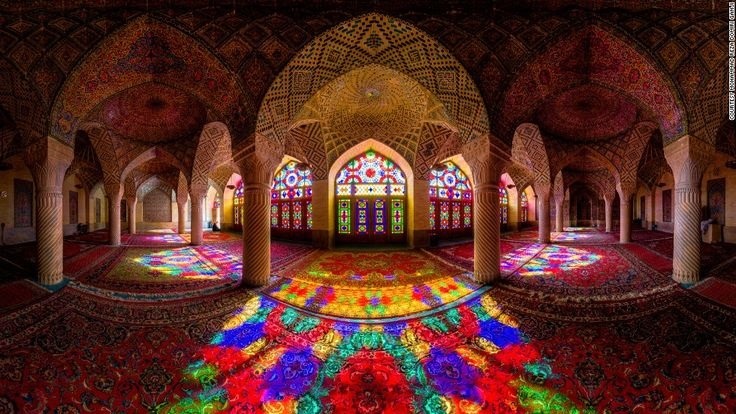
- Nasirol Molk Mosque: is a stunning mosque located in Shiraz, Iran. It is famous for its intricate tilework and stained glass windows, which create a breathtaking kaleidoscope of colors when sunlight shines through. The mosque is often referred to as the “Pink Mosque” due to its dominant pink color.
- Persepolis: is a magnificent ancient Persian city located in Marvdasht, near Shiraz. It was the ceremonial capital of the Achaemenid Empire and is considered one of the most important archaeological sites in the world. Persepolis boasts impressive palaces, columns, and bas-reliefs that show the glory and power of the Persian Empire.
- Naqsh-e Rostam: is another significant historical site near Shiraz. It is a necropolis where several Persian kings are buried. The site features impressive rock-cut tombs and bas-reliefs that provide valuable insights into the history and culture of Persia.
Conclusion
Iran, a land of ancient history, breathtaking landscapes, and vibrant culture, offers a truly unforgettable travel experience. The five cities highlighted in this article – Tehran, Kashan, Isfahan, Yazd, and Shiraz – each showcase unique aspects of Iran’s rich heritage and diverse attractions.
Is This Your First Time in Iran? Read this informative article.
Message us to design your journey to Iran, Based on Your Taste!