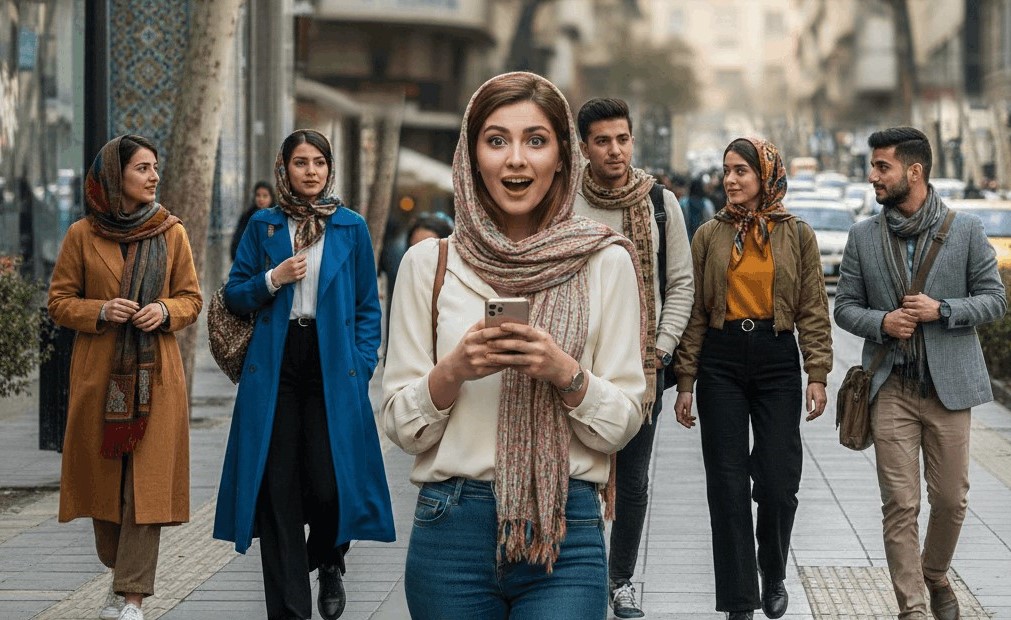
First time travel to Iran can feel exciting and a little overwhelming. This country is full of ancient history, breathtaking landscapes, and warm hospitality, but it also has cultural rules that might be new to you. With the right preparation, your first trip to Iran can become one of the most unforgettable journeys of your life.
For first-time travelers, understanding local customs, traditions, and etiquette is essential. From exploring vibrant bazaars and tasting authentic Persian dishes to visiting iconic landmarks, planning ahead ensures your first time travel to Iran is safe, enjoyable, and full of discovery.
Why Visit Iran?
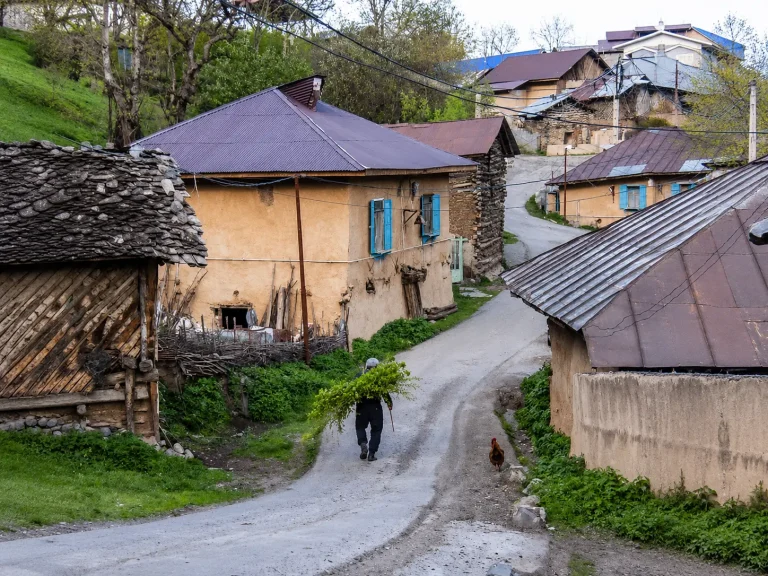
Iran is much more than its famous mosques and vast deserts. Every city has its own story to tell. Tehran blends the energy of modern life with the charm of traditional bazaars. In Isfahan, stunning Persian architecture and elegant bridges create a scene straight out of a postcard. Shiraz enchants visitors with fragrant gardens, timeless poetry, and the iconic pink glow of Nasir al-Molk Mosque. Yazd invites you to wander through narrow mud-brick alleys and experience the quiet magic of the desert. Everywhere you go, locals greet you with warmth, curiosity, and welcoming smiles.
Visa and Entry Requirements
Most travelers to Iran need a visa. For countries that are not visa-free, visitors must register through an official travel agency. This is the current rule as of August 2025. This can be arranged as part of a group program or a personalized individual itinerary—both options are available and flexible.
Planning your visa this way makes the process smoother and gives you access to local guidance throughout your trip. For a smooth visa process and detailed guidance, read our full guide about Iran tourist visa. It is always smart to check the latest updates before booking flights.
Dress Code and Cultural Etiquette

Many first-time visitors worry about clothing. The rules are clear but not difficult.
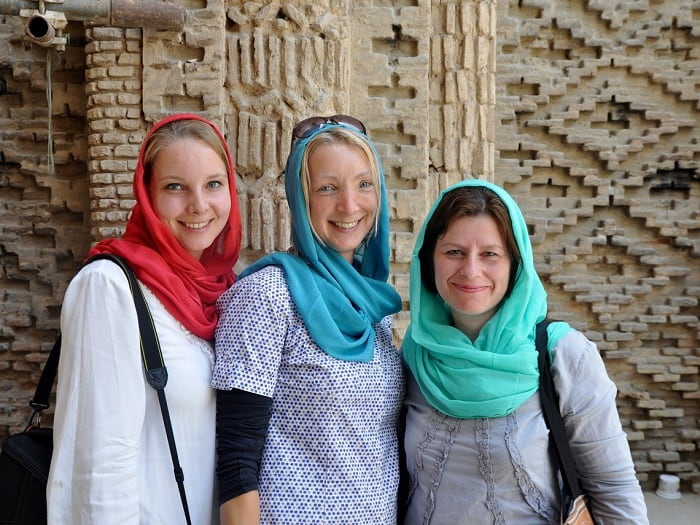
Women should wear a headscarf in public, long sleeves, and clothes that cover the body loosely.
Men should avoid shorts and sleeveless shirts in public.
Money and Payments
Iran does not use international credit cards (in very rare shops you can pay via international credit cards). You need cash, usually in euros or dollars, and exchange it into Rials once you arrive. Some travelers use local travel cards offered by agencies, which make payments easier. Always carry some small notes for taxis or snacks.
We’ve explained everything about Iranian currency and useful tips in a dedicated Instagram post. If you’d like to learn more, you can read it through this link.
Transportation Inside Iran
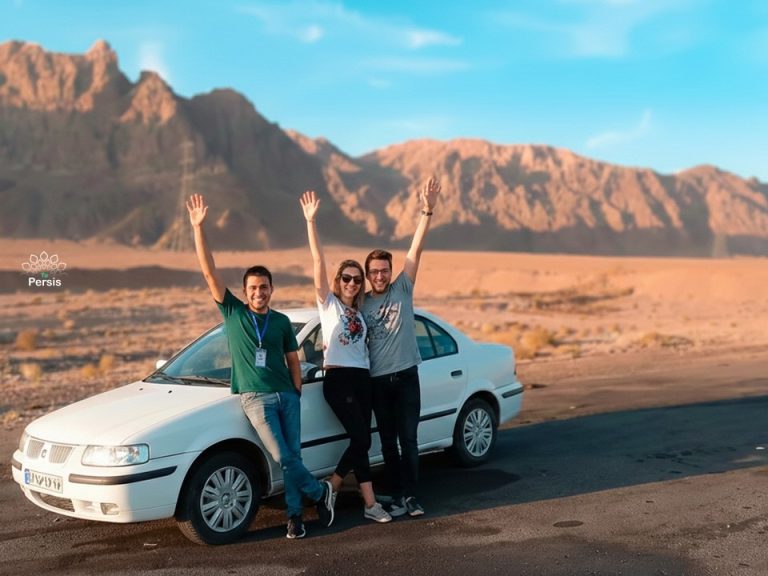
Traveling between cities in Iran is simple and safe. Domestic flights quickly connect major destinations, while trains and buses offer affordable and comfortable options for your journeys. Within cities, taxis and ride-hailing apps like Snapp are convenient and widely used. Arranging a local guide or driver can simplify your exploration. You can enjoy the sights and culture without any stress.
Food and Hospitality
Iranian food will probably become one of your favorite memories.
From kebabs to stews like Ghormeh sabzi and Fesenjan, every meal is rich in flavor.
Don’t miss street snacks and sweets, especially saffron ice cream and fresh pomegranate juice.
Hospitality is legendary. You might get invited to have a tea or something else to enjoy.
Is it Safe for First Time Travel to Iran?
Iran is generally safe for tourists, including women and solo travelers. Crime rates against foreigners are low. Most visitors are surprised by how secure they feel when walking in bazaars or old streets. Traveling with a guide adds comfort, helps with language barriers, and opens doors to experiences you might miss on your own.
This is a video of Tehran’s Grand Bazaar, and watching it can give you a better sense of the atmosphere and everyday life in Iran.
If you’re curious about solo female travel and safety in Iran, check out our detailed guide here.
Top Destinations for First-Time Travel to Iran
- Tehran: National Museum, Golestan Palace, bustling bazaars.
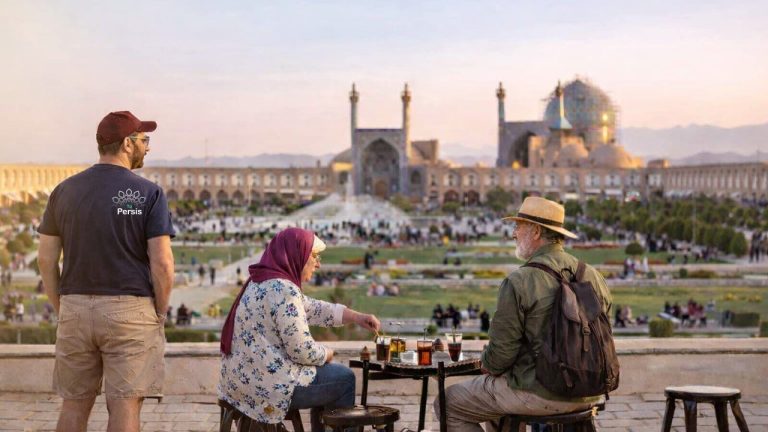
- Isfahan: Naqsh-e Jahan Square, Shah Mosque, Si-o-se-pol Bridge.
- Shiraz: Nasir al-Molk Mosque, Hafez Tomb, Persian gardens.
- Yazd: Wind towers, Zoroastrian fire temple, desert sunsets.
- Kashan: Traditional houses, historic gardens, bazaars.
These cities give you a perfect introduction to Persian culture, architecture, and traditions.
One of the best reasons to visit Iran is its UNESCO World Heritage sites. The Article “Exploring Iran’s UNESCO World Heritage Sites” is a complete list to help you decide which cities and sites should top your travel priorities.
Language Tips For Travel to Iran
Persian (Farsi) is the main language, but many young people know some English. Learning a few phrases will make your trip smoother:
- Hello: Salam
- Thank you: Merci / Sepa
- Yes: Bale
- No: Na
Locals will love your effort to speak even a few words.
Travel Etiquette and Social Norms in Iran
Iranians take great care to keep their homes clean. This is especially important in traditional settings where people often sit and eat on the floor. Many homes have handmade Persian rugs, crafted with great skill and care, which makes keeping them clean even more important. So when visiting someone’s home in Iran, always remove your shoes. This is a sign of respect for the household. While you can usually keep your shoes on in modern hotel rooms, it’s customary to remove them in traditional guesthouses, Eco-lodges, and private homes.
Another cultural nuance is Taarof, the Persian way of polite refusal and offering. For example, if someone offers to pay for your tea, it might just be a gesture of politeness. Learning these subtle customs makes interactions smoother and shows respect for local traditions.
Want to navigate Iranian customs like a local? We’ve explained everything you need to know in this article: “Cultural Etiquette in Iran“
Internet and Sim Card in Iran
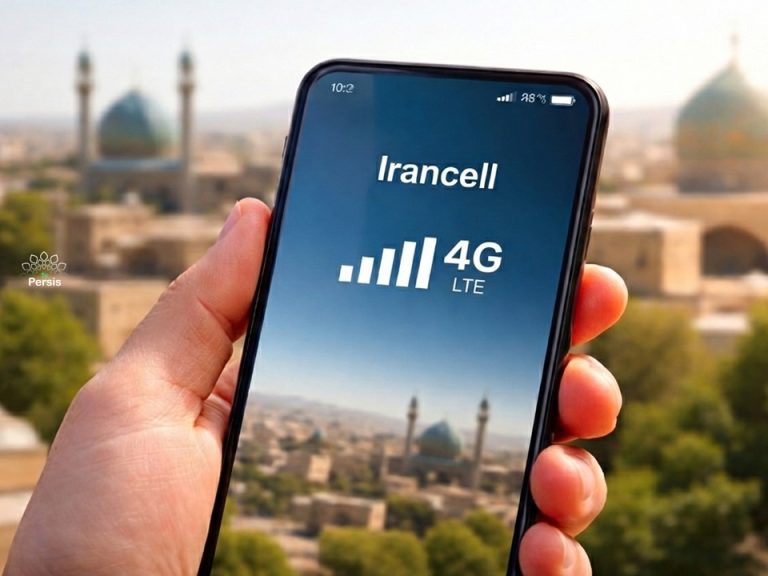
Internet is available, but a VPN may help access some websites and social medias (Telegram and Instagram). A local SIM card is cheap and useful for maps and communication.
Conclusion
First-time travel to Iran is more than just a holiday—it is a cultural journey. The kindness of people, the beauty of mosques, the taste of saffron rice, and the sound of Persian poetry will stay with you long after you leave. With the right preparation and an open heart, Iran will surprise you in the best ways.
If you are planning your first trip and want help building the perfect itinerary, get in touch with us. We’ll create a personalized travel plan that shows you the best of Iran and makes your journey easy and unforgettable.
Explore our ready-made Iran travel packages, or design your own personalized trip through this link.