Understanding how to travel around Iran is one of the most important steps in planning a smooth trip. Iran is vast, diverse, and deeply cultural, which makes transportation choices more meaningful than many travelers expect. From long-distance trains and comfortable VIP buses to domestic flights and private driver-guides, each option shapes the journey differently. This guide explains transportation in Iran in practical, real-world terms, helping travelers choose comfort, flexibility, and peace of mind.
Understanding Transportation in Iran as a Visitor
Iran may look compact on a map, but once you’re on the road, distances can feel much longer. With options ranging from trains and buses to domestic flights, private cars, and driver-guides, each mode of transport has its own advantages and limitations. This guide will help you navigate Iran’s transport system smoothly.
Choosing the right transport is not just about price. It affects comfort, timing, cultural access, and overall enjoyment. Iran is safe to travel, yet it rewards travelers who plan smartly rather than cheaply.
1. Traveling Around Iran by Train
Overview of Iran’s Railway Network
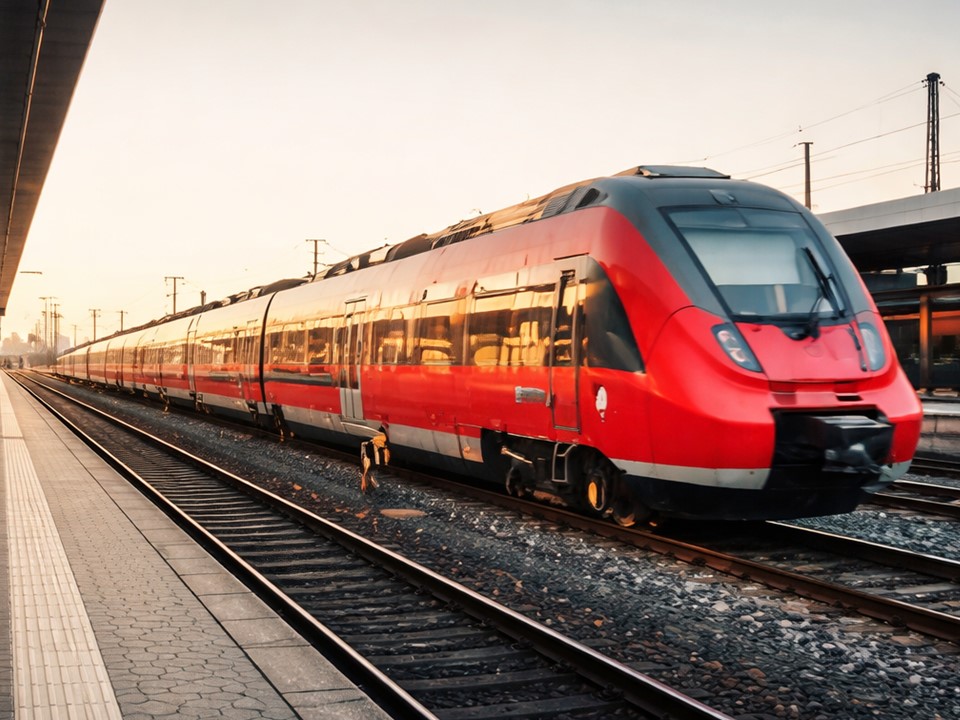
Iran’s railway network connects major cities like Tehran, Isfahan, Shiraz, Mashhad, and Tabriz. Popular routes such as Tehran–Shiraz and Tehran–Mashhad are well-serviced. However, trains do not cover many tourist destinations directly, meaning additional transport is often needed to reach historical sites, villages, or natural landmarks.
Train Types and Comfort Levels

Iranian trains range from economy seating to sleeper cabins. Overnight trains can be surprisingly comfortable for long journeys, and luxury cabins exist on some routes. Overall, trains are clean, safe, and affordable, though high-end options are limited and sell out quickly during peak travel seasons.
Limited Schedules and Availability

Trains in Iran run on fixed schedules, often only once per day on many routes. Missing a departure can mean waiting an entire day, and during high season, tickets sell out quickly. For travelers with tight schedules or multi-stop itineraries, trains can feel restrictive, making them better suited for slow-paced, point-to-point journeys. Additionally, many historical sites and natural attractions lie between cities, and traveling by train often means missing these short but memorable stops along the way.
Challenges for Foreign Travelers
Booking tickets can be challenging without local assistance, and English signage is limited. Stations are often far from city centers, and timetable changes are not always communicated clearly. Despite these limitations, trains remain safe, scenic, and budget-friendly, especially for travelers with flexibility.
2. Bus Travel in Iran
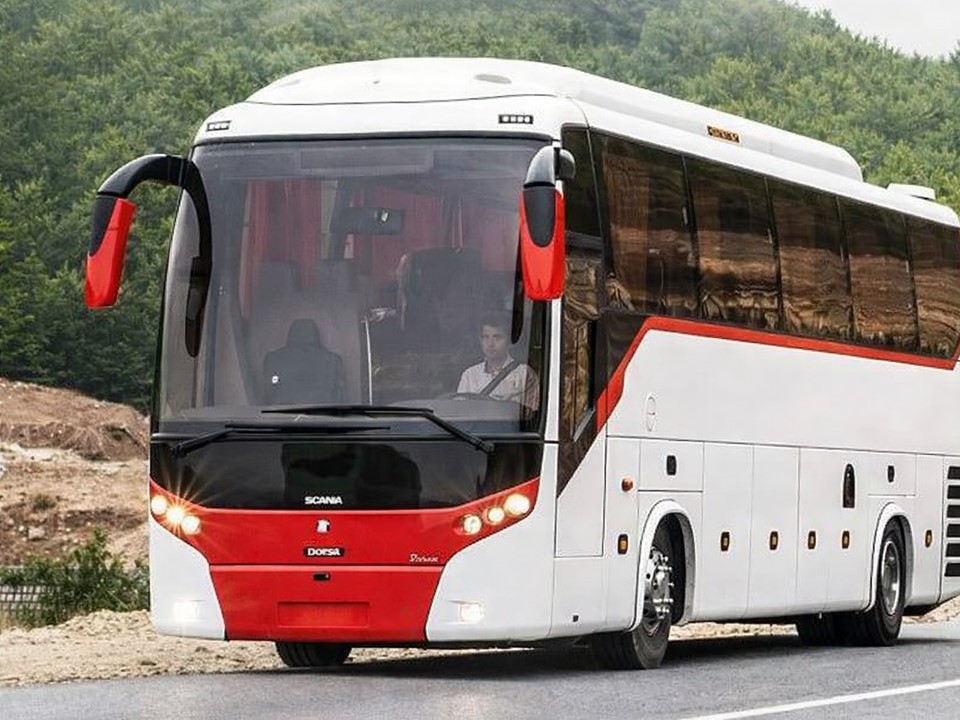
VIP vs Regular Buses
Buses are the backbone of Iran public transportation.
VIP buses offer wide reclining seats, air conditioning, and sometimes onboard refreshments.
They are surprisingly comfortable and widely used for intercity travel.
Regular buses are cheaper but less suitable for long journeys.
Coverage and Frequency
Buses reach almost every city and town in Iran.
Routes are frequent, even between smaller destinations.
For travelers visiting off-the-beaten-path locations, buses often fill the gaps left by trains.
Advantages and Limitations for Tourists
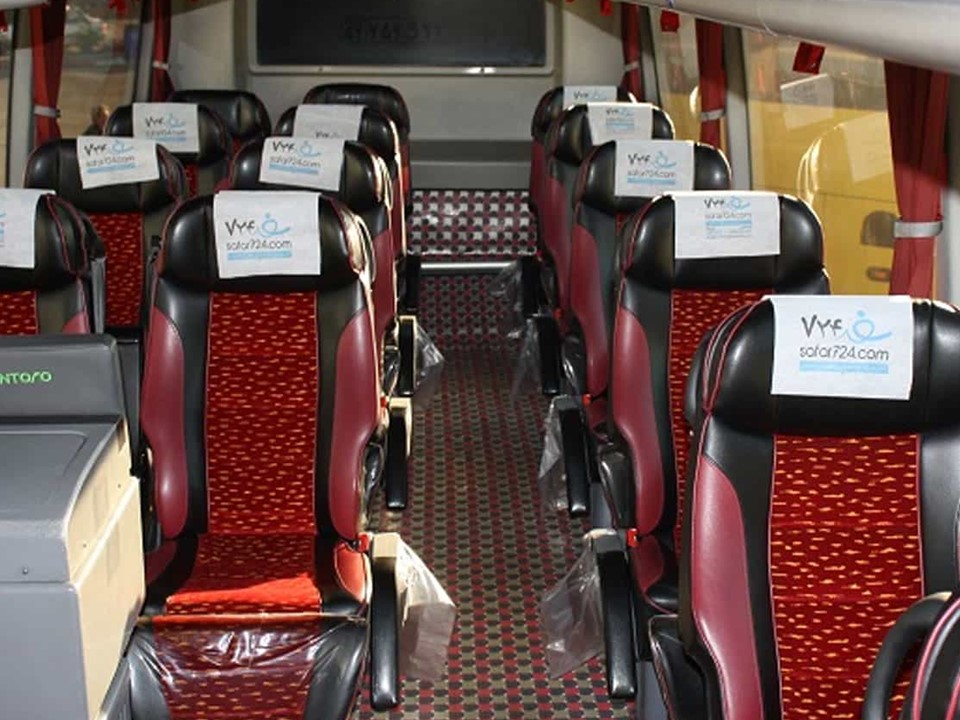
Buses are affordable and reliable.
However, long travel hours, overnight fatigue, and rest stop uncertainty can wear travelers down.
Language barriers and unfamiliar terminals may also add stress, especially for first-time visitors.
Like trains, traveling on fixed routes often means missing smaller attractions and interesting stops along the roads.
3. Domestic Flights in Iran
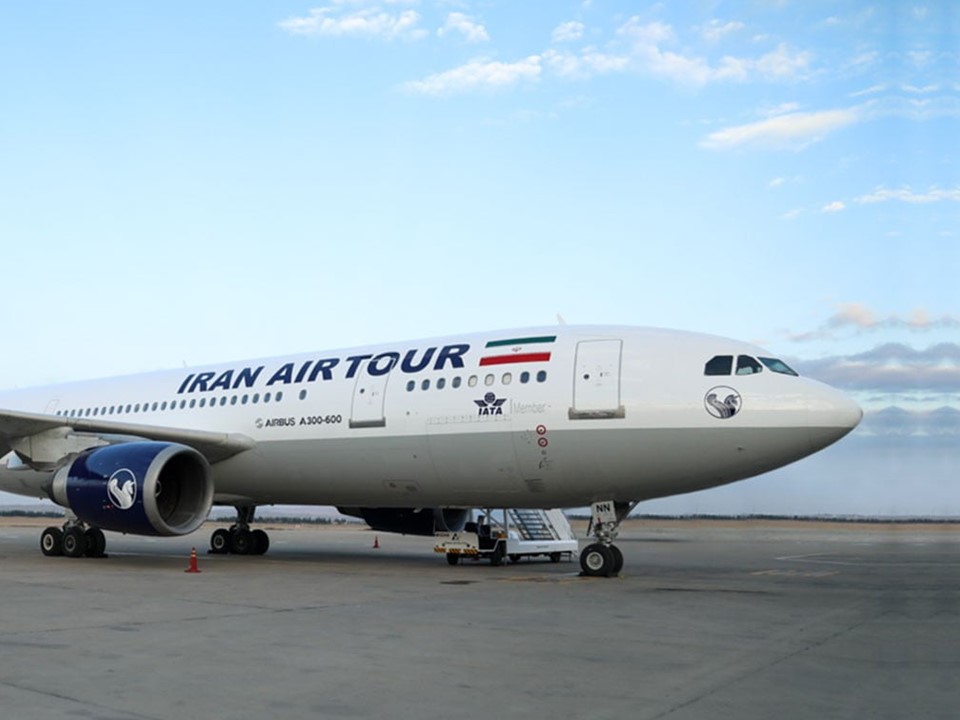
Main Domestic Airlines and Routes
Iran has several domestic airlines connecting major cities.
Popular routes include Tehran to Shiraz, Mashhad, Ahvaz, and Kish Island.
Flights significantly reduce travel time over long distances.
When Flying Makes Sense?
Domestic flights are useful when distances exceed eight hours by road.
They suit travelers with limited vacation time or tight schedules.
Flights also help avoid overnight travel fatigue.
Flight Challenges Foreign Travelers Should Expect
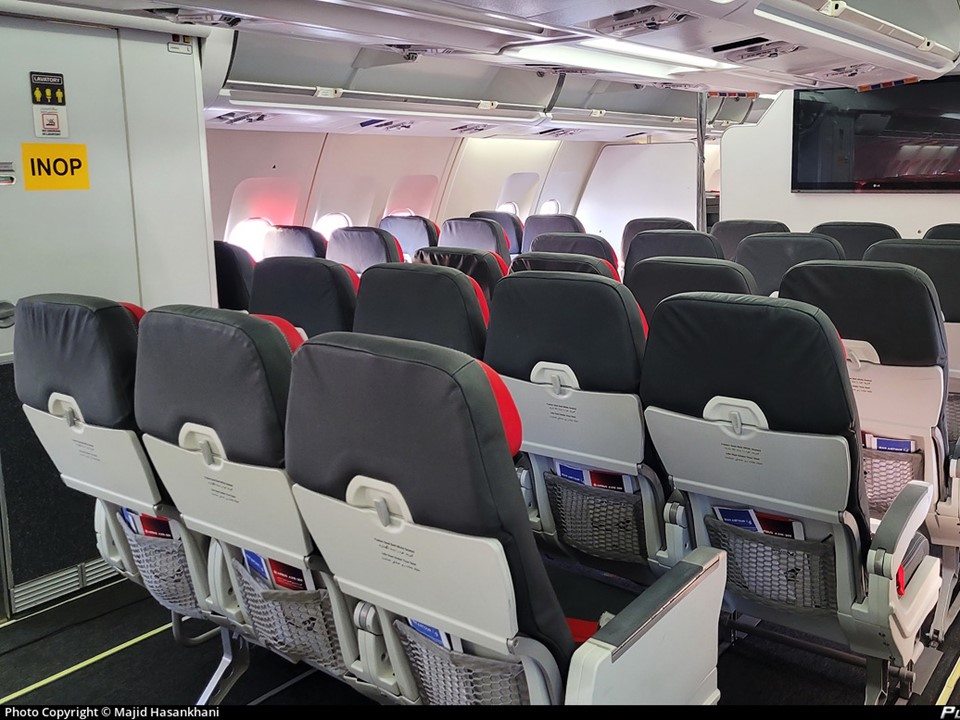
Delays and schedule changes are not uncommon.
Booking tickets sometimes requires local platforms or agents.
Airport procedures may feel unfamiliar but remain generally straightforward.
Flights are efficient, but they remove travelers from Iran’s landscapes and daily life.
4. Renting a Car in Iran
Self-Drive vs Chauffeur-Driven Cars
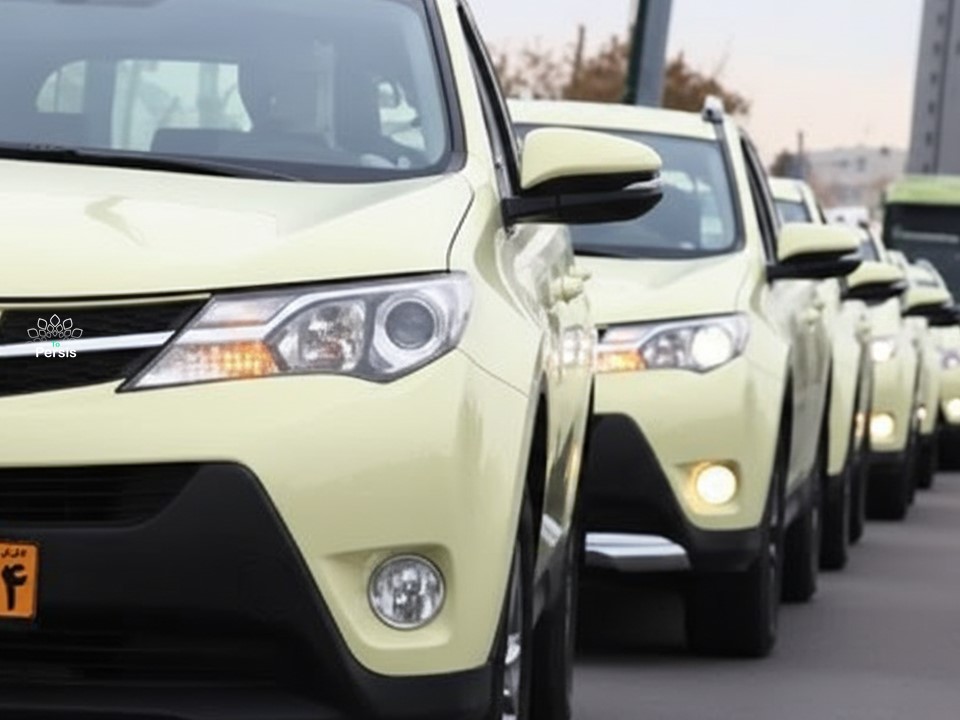
Car rental is possible in Iran, but self-driving is not ideal for most visitors.
Traffic rules differ from Western norms and navigation apps sometimes struggle in rural areas.
Road Conditions and Driving Culture
Highways are mostly good. Signage is often in Persian and English.
Urban traffic can feel chaotic to first-time drivers.
Police checkpoints and local driving habits surprise many visitors.
Is Car Rental Worth It for Tourists?
Self-drive rentals suit experienced regional drivers or repeat visitors.
Most tourists find driving exhausting.
Costs can rise once insurance, deposits, and navigation challenges are considered.
Additionally, arranging a car rental can be time-consuming and requires multiple documents, making it less convenient. Chauffeur-driven rentals remove stress and cultural misunderstandings.
5. Traveling with a Private Driver-Guide in Iran
What Is a Driver-Guide?
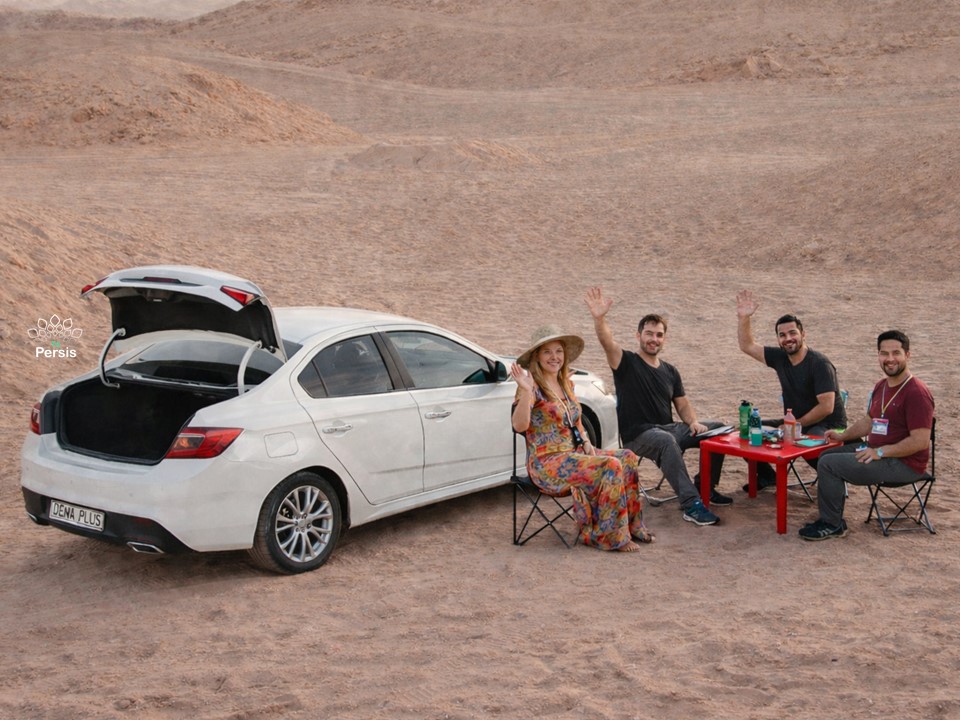
A driver-guide is more than a chauffeur.
They drive, navigate, translate, and explain cultural context throughout the journey.
Many also assist with hotels, attractions, and local interactions.
This option blends transportation with guidance seamlessly.
Why This Option Fits Iran So Well?
Iran’s richness lies between destinations, not only inside cities.
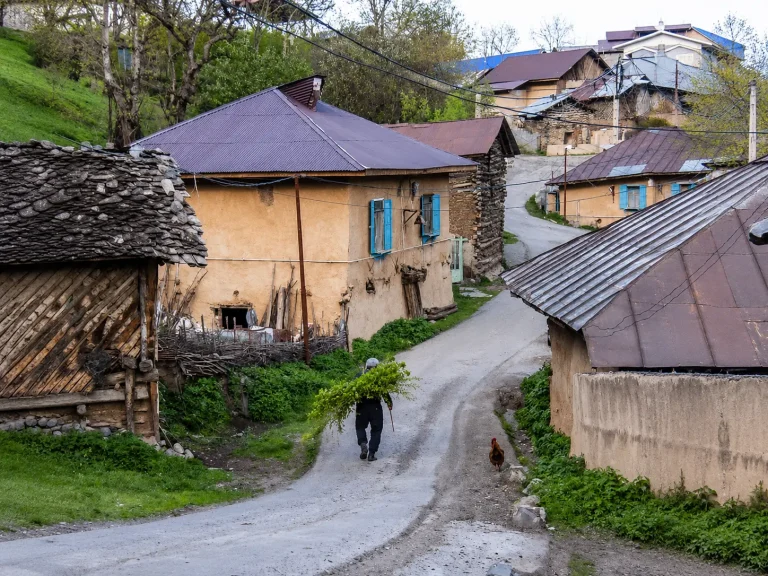
Villages, viewpoints, roadside tea houses, and hidden landmarks shape the experience.
A driver-guide allows flexible stops and spontaneous discoveries.
Instead of chasing schedules, travelers follow their own rhythm.
Comfort, Safety, and Cultural Access
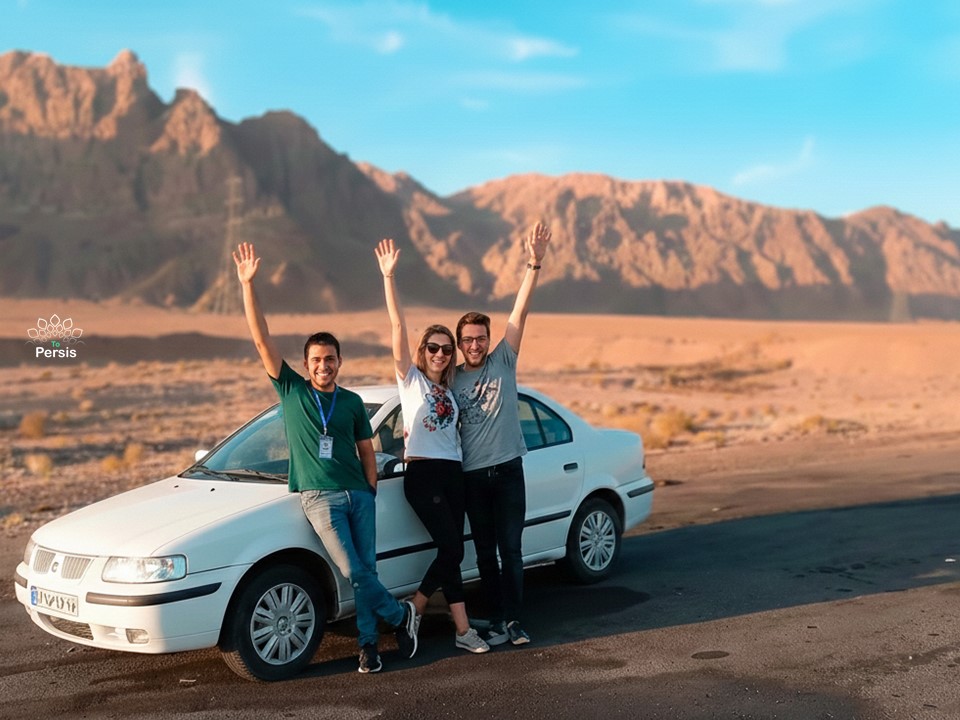
Driver-guides handle language barriers, road navigation, and local etiquette.
They help avoid tourist traps and misunderstandings.
Travelers gain cultural insight naturally, without formal tours.
This approach feels less like logistics and more like traveling with a local friend.
Cost vs Value Compared to Other Transport
At first glance, driver-guides may seem more expensive than buses or trains. However, when you consider time saved, comfort, flexibility, and expert guidance, their value becomes clear. Hiring a driver-guide—whether for city-to-city travel or local excursions—is often much cheaper than hiring a separate driver and guide, truly two benefits for the price of one. Many travelers find that with a driver-guide, they save energy, avoid common mistakes, and experience more in less time.
Comparing All Transportation Options in Iran
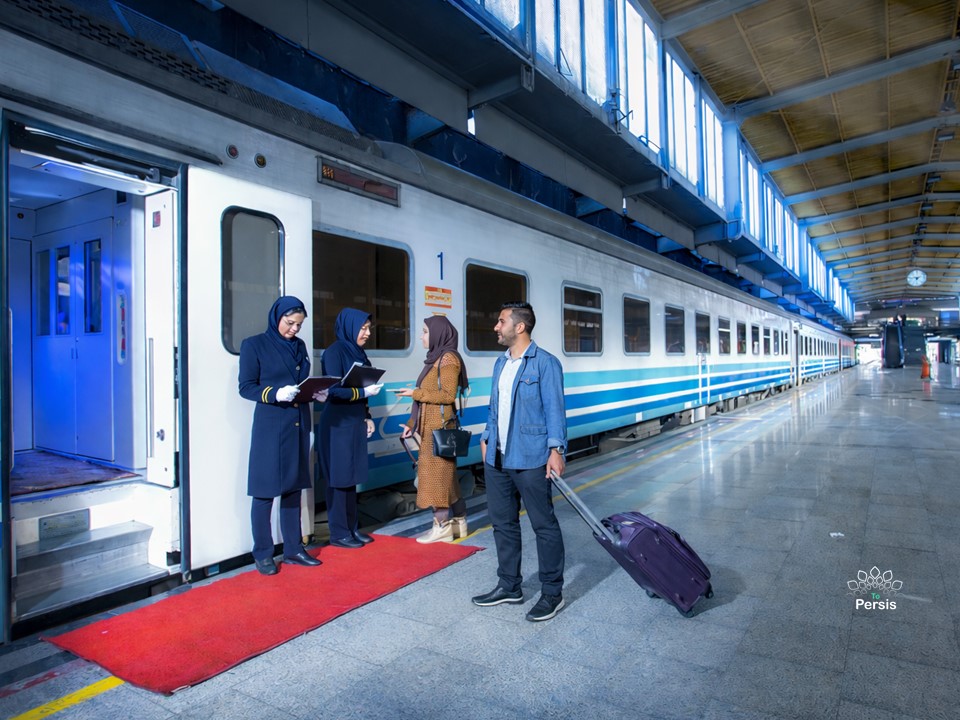
Trains suit relaxed travelers between major cities.
Buses cover more ground but demand patience.
Flights save time but reduce immersion.
Self-driving offers independence but adds stress.
Driver-guides quietly balance all these factors without forcing compromises.
Best Way to Travel Around Iran Based on Your Travel Style
Choosing the best way to travel in Iran depends on several factors, including your travel style, whether you prefer a relaxed, point-to-point journey or a more flexible, adventurous trip with multiple stops along the way. It also depends on how much time you have, how much you enjoy the scenic roads, and, of course, your budget.
All To Persis travel packages are fully customizable, allowing you to select the type of transportation that best matches your preferences. You can also combine different transport options across various routes. The To Persis team is here to answer your questions and guide you through these choices, helping you make the best decision for a smooth and rewarding journey through Iran.
Let us know if you need any assistance.
Final Tips for Traveling Around Iran Smoothly
Book transport early during Iranian holidays.
Stay flexible with timing and expectations.
Respect local customs and ask questions freely.
Prioritize comfort over speed whenever possible.
Iran rewards travelers who slow down and stay curious.
Frequently Asked Questions About Traveling Around Iran
- What is the best way to travel around Iran?
The best way depends on distance, time, and travel style. Many travelers prefer driver-guides for flexibility and comfort. - What is a driver-guide in Iran?
A driver-guide provides transportation and local guidance in one service. - Are trains in Iran safe for tourists?
Yes, trains in Iran are safe, but routes and schedules are limited. - How often do trains run in Iran?
Many routes run once per day, with fixed and inflexible schedules. - Are buses in Iran comfortable for tourists?
VIP buses are comfortable, but journeys can be long and tiring. - Is flying within Iran reliable?
Flights are generally reliable but delays can occur. - Can tourists rent and drive a car in Iran?
Yes, but car rental requires multiple documents and time. - Is driving in Iran difficult for foreigners?
Yes, traffic culture and road conditions can be challenging. - Why choose a driver-guide in Iran?
They offer flexibility, comfort, and local expertise. - Is a driver-guide expensive in Iran?
At first glance yes, but it often offers better overall value. It will be two benefits for the price of one. - Can public transport reach all tourist sites in Iran?
No, many attractions are outside public transport routes. - Do trains and buses stop at attractions between cities?
No, they usually follow fixed routes without sightseeing stops. - Can different transport types be combined in Iran?
Yes, many travelers combine flights, buses, and private transport. - Is Iran safe for traveling between cities?
Yes, intercity travel in Iran is generally safe.