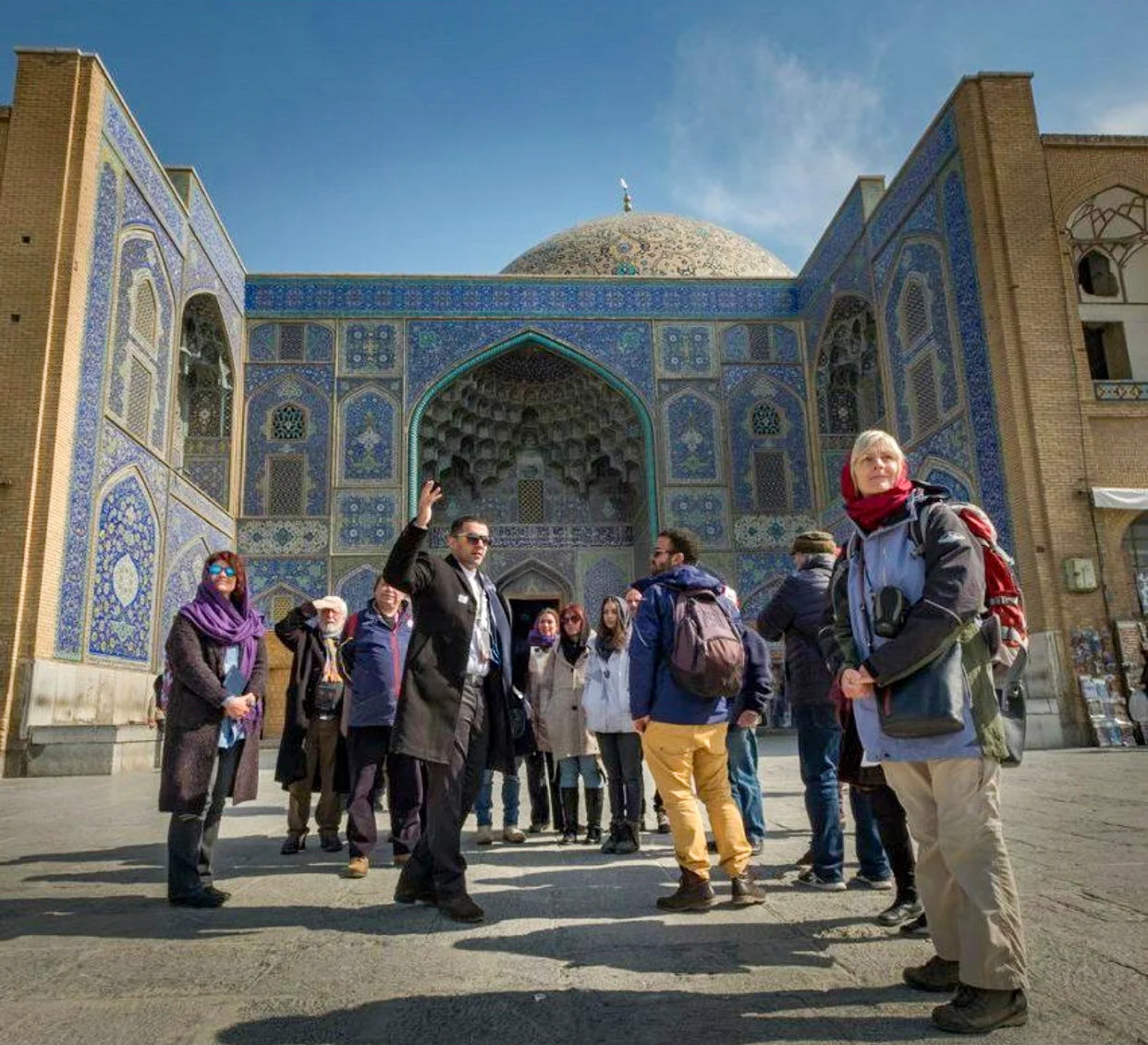
Traveling in Iran can be deeply rewarding. It can also be confusing without the right guidance. A local guide often shapes the entire experience. Choosing the wrong one can limit understanding. Choosing the right one can change everything. This article explains what truly matters for choosing a local guide in Iran. Not marketing slogans. Not surface-level advice. Only real, practical criteria based on experience.
Why Choosing the Right Local Guide in Iran Is Critical?
Iran is not a plug-and-play destination. Cultural rules are subtle and layered. Social norms change from city to city. Context matters more than maps. Iran Is Not a “Self-Explaining” Destination. Many places look simple on paper, But in reality, meanings run deeper. A gesture may mean respect or offense. Timing can matter more than location. A good guide explains the invisible. A bad guide only recites facts!
The Difference Between Seeing and Understanding Iran
Anyone can visit Persepolis. Understanding it requires context. History, politics, religion, and identity intersect here. A skilled guide connects those layers naturally.
What a Local Guide in Iran Really Does (Beyond Guiding)?
A guide’s role is about so much more than checking boxes on an itinerary or handling logistics. In a country as nuanced and storied as Iran, your guide becomes your interpreter of reality. The bridge between what you see and what you truly understand.
Cultural Translator, Not Just a Navigator:
Your guide is your compass through the beautiful complexities of Persian social life. They do more than lead the way; they decode the subtle dance of Taarof (Persian etiquette) and help you navigate social interactions with grace. Whether it’s clarifying which questions are thoughtful versus intrusive, or explaining why a moment of silence carries more weight than words, they ensure you don’t just visit Iran— you connect with it.
Problem Solver in Unexpected Situations:
In Iran, the only constant is change. Roads might close for a local festival and schedules can shift like desert sands. This is where a guide truly proves their worth. A professional guide moves through these shifts with a calm, creative confidence, turning a potential roadblock into a new adventure. While an amateur might panic or look for someone to blame, a true professional simply finds a better way forward.
Gatekeeper to Local Communities
Many authentic experiences require trust. Homes, workshops, villages, and ceremonies are private spaces. Locals open doors to people they trust. Your guide is that bridge.
Licensed vs Unlicensed Guides in Iran
Choosing between a certified professional and an amateur is a decision that carries more weight than most travelers realize. In a country with as much depth as Iran, this distinction is often the difference between a surface-level tour and a truly immersive experience.
How the Licensing System Works?
Licensed guides in Iran don’t just carry a card; they have earned it through rigorous preparation. To become certified, they must complete extensive formal training and pass demanding exams covering thousands of years of history, art, and complex cultural nuances. Beyond their knowledge, these guides are bound by strict ethical and legal standards. They are held accountable by official tourism boards, providing you with a layer of security, reliability, and professional integrity that an unlicensed guide simply cannot guarantee.
When Unlicensed Guides Appear Attractive?
At first glance, unlicensed guides are tempting. They usually cost less and promise total flexibility. While many are sincere and knowledgeable, you are essentially traveling without a safety net. Without official oversight, the risk of complications increases; there is no professional accountability if things go wrong, and no legal protection for your journey.
Key Comparison:
- Unlicensed: Lower cost, but higher risk and no legal standing.
- Licensed: Professional security, verified expertise, and peace of mind.
Real Risks Travelers Often Ignore
Choosing an unlicensed guide involves “invisible” risks that only become clear when things go wrong. Most travel insurance policies are void if you are not using a licensed operator. You may also face restricted access, as security at major monuments often requires professional credentials.
If a dispute arises, accountability vanishes—there is no official body to intervene or protect your rights. While a license doesn’t automatically guarantee excellence, and an unlicensed guide doesn’t always mean failure, licensing significantly reduces your risk, providing a framework of safety and responsibility for your trip.
Key Qualities That Truly Matter in an Iranian Local Guide
Not all skills are equal. Some matter far more than others.
Cultural Intelligence and Social Awareness
Beyond certificates and years on the job, the most important skill a guide can have is Cultural Intelligence. This is the ability to “read the room” and understand the feelings of the people around them. know when to provide insight and when to offer silence. They don’t just follow a script; they masterfully adjust their behavior to fit the context, ensuring every social interaction is smooth and respectful.
Language Skills That Go Beyond Fluency
Speaking the language is only the start; true communication is about nuance and clarity. A great guide does more than translate words. they simplify complex ideas so they are easy to understand. They speak with a neutral tone, avoiding political bias and sharing insights without “preaching.” It’s not just about what they say, but how they say it, ensuring you get the facts without the friction.
The Power of Storytelling and Historical Accuracy
Facts alone can be dry, but stories create a real connection. A great guide doesn’t just list dates; they balance historical accuracy with a natural narrative flow. By weaving facts into stories, they show you why history still matters today, making the past feel alive and relevant to your journey.
Ethical Behavior and Responsibility
A guide is more than a leader; they are an ambassador for their country. Ethical guides honor local values while protecting you from stereotypes and exploitation. By treating both the guests and the local hosts with genuine respect, they ensure the journey is fair, safe, and meaningful for everyone involved.
Flexibility and Real-Time Decision Making
In Iran, the best experiences often happen when you embrace the unexpected. A great guide prioritizes your overall experience over a rigid plan, adjusting the itinerary smoothly as things change. They are observant enough to notice your fatigue before you even mention it, knowing exactly when to skip a site or find a quiet spot for tea. By making smart, real-time decisions, they ensure the journey remains a joy rather than a chore.
Red Flags When Choosing a Local Guide in Iran
Some warning signs appear early. Ignoring them often leads to disappointment.
- Overpromising and Unrealistic Claims: No guide can “show everything,” and no trip is entirely free of restrictions. Honest guides manage your expectations from the start rather than making impossible promises.
- Lack of Transparency in Pricing: Trust is built on clear pricing. Hidden costs can ruin a trip, so professional guides are always upfront about exactly what is included and what isn’t.
- Political or Cultural Bias: Iran is a complex country with many layers. A quality guide presents multiple perspectives instead of a single biased view, allowing you to form your own deeper understanding.
- Poor Communication Before Arrival: If a guide is slow to reply or gives vague answers now, it usually signals problems later. Clear, structured communication from the first message is a sign of a true professional.
Private Guide vs Group Tour Guide in Iran
Both options can lead to an incredible journey, but the “right” choice depends entirely on what you prioritize: total freedom or a pre-set structure.
Who Benefits from a Private Guide
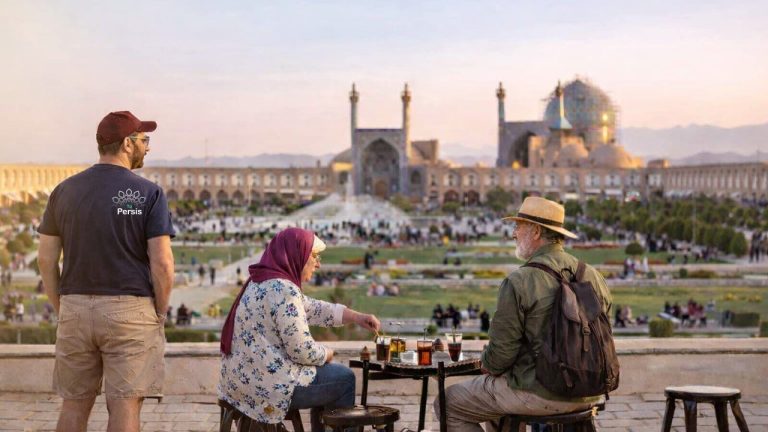
A private guide is perfect for travelers who want their trip to feel personal and unhurried. If you value flexibility—like staying an extra hour at a beautiful café or skipping a site because you’re tired—this is the best path. Photographers who need to wait for the perfect light and cultural explorers who want long, one-on-one conversations will find a private guide indispensable. They adapt to your rhythm, rather than forcing you to follow a group.
When Group Tours Actually Make Sense?
Group tours are an excellent choice for those looking to reduce costs while still seeing the main highlights. They simplify logistics by handling every detail in advance, making them ideal for first-time travelers with limited time. You get the peace of mind of a fixed schedule and the social benefit of sharing the experience with fellow travelers.
Cost vs Experience Trade-Off
| Feature | Private Guide | Group Tour Guide |
| Pace | Entirely dictated by you. | Fixed to keep the group on time. |
| Depth | Deep, personalized conversations. | General overview for a broad audience. |
| Logistics | Highly flexible and spontaneous. | Rigid and predictable. |
| Social | Intimate connection with locals. | Socializing with other tourists. |
| Cost | Higher (personal investment). | Lower (shared expenses). |
| Best For | Slow travel and niche interests. | Seeing the “must-sees” efficiently. |
How to Verify a Local Guide in Iran Before Booking?
Verification protects your investment.
Questions You Should Always Ask
- Ask about licensing.
- Ask about experience with your travel style.
- Ask how they handle unexpected changes.
Reviews, References, and Real Signals
- Look for detailed reviews.
- Specific stories matter more than star ratings.
- Ask for past traveler references.
Working with Agencies vs Independent Guides
- Agencies offer structure and backup.
- Independent guides offer flexibility.
- Both can be excellent when vetted properly.
How the Right Local Guide Transforms Your Iran Experience
The difference is immediate and lasting.
Access to Non-Touristy Places
The right guide opens doors that stay closed to the average tourist. They lead you away from the crowds and into authentic local life—think bustling neighborhood workshops, traditional family homes, and hidden local events. These unscripted moments are often the ones that become your most lasting memories.
Safer, Smoother Travel
A professional guide acts as a quiet shield against stress. By anticipating logistical shifts and solving problems before you even notice them, they ensure your journey feels effortless. You won’t see the work they put in; you’ll simply feel the comfort and safety of a trip that flows perfectly.
Deeper Cultural Connection
With a skilled guide, you stop observing Iran from the outside and start participating in its culture respectfully. They bridge the gap between “tourist” and “guest,” helping you understand the people behind the monuments. Through their eyes, Iran stops being an abstract destination and becomes a human, deeply relatable experience.
Common Mistakes Travelers Make When Hiring a Guide in Iran
- Choosing price over quality.
- Skipping verification steps.
- Assuming all guides offer the same value.
- Ignoring communication quality.
- These mistakes are avoidable.
Final Expert Advice Before Choosing Your Local Guide in Iran
- Trust Your Instincts: Your gut feeling is often your best compass. If a guide feels like a good match during your first few messages, they likely are.
- Evaluate Communication: Pay close attention to how they respond. Are they clear, thoughtful, and patient? Good communication before you arrive is the best indicator of a smooth trip later.
- Prioritize Intelligence over Promises: Value a guide’s cultural intelligence and honesty over “flashy” or unrealistic promises. A guide who understands people is far more valuable than one who simply promises the world.
- Choose Understanding over Speed: Iran is a country of layers that shouldn’t be rushed. A great guide doesn’t just race you through a checklist; they reveal the beauty of the country gradually, letting the experience breathe.