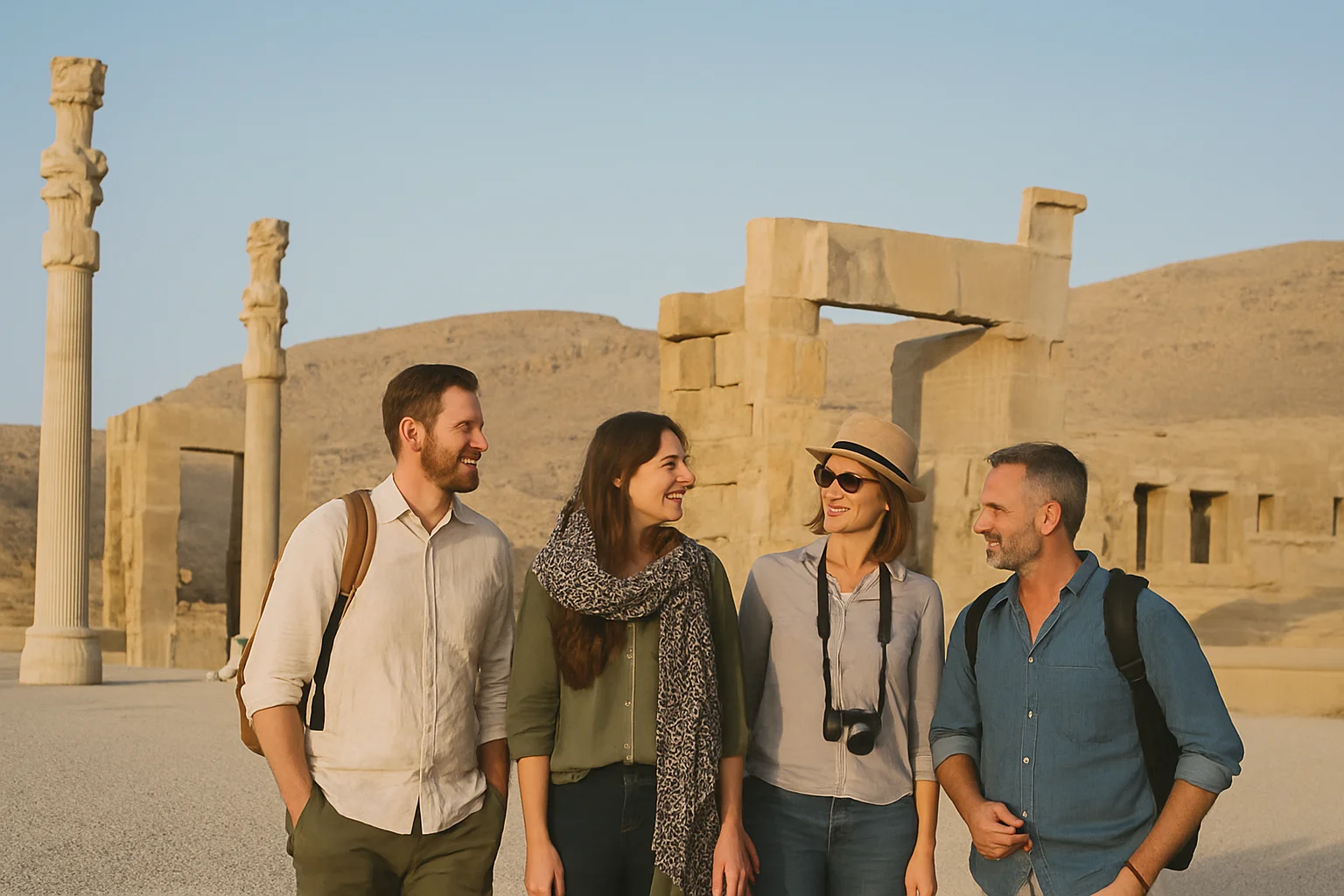
Iran, a land steeped in history and culture, is home to numerous UNESCO World Heritage Sites that offer a glimpse into its rich past. From ancient ruins and historical cities to stunning natural landscapes and cultural traditions, Iran has something to offer every traveler.
Join us as we explore 28 UNESCO World Heritage Sites in Iran, each with its unique story and significance.
Here’s a list of all the UNESCO World Heritage Sites in Iran:
- Armenian Monastic Ensembles of Iran
- Bam and its Cultural Landscape
- Bisotun
- Cultural Landscape of Hawraman/Uramanat
- Cultural Landscape of Maymand
- Golestan Palace
- Gonbad-e Qābus
- Hegmataneh
- Historic City of Yazd
- Masjed-e Jāmé of Isfahan
- Naqsh-e Jahan Square (Meidan Emam, Esfahan)
- Pasargadae
- Persepolis
- Sassanid Archaeological Landscape of Fars Region
- Shahr-i Sokhta
- Sheikh Safi al-din Khānegāh and Shrine Ensemble in Ardabil
- Shushtar Historical Hydraulic System
- Soltaniyeh
- Susa
- Tabriz Historic Bazaar Complex
- Takht-e Soleyman
- Tchogha Zanbil
- The Persian Caravanserai
- The Persian Garden
- The Persian Qanat
- Trans-Iranian Railway
- Hyrcanian Forests
- Lut Desert
- Prehistoric Sites of the Khorramabad Valley (2025)
1. Armenian Monastic Ensembles of Iran
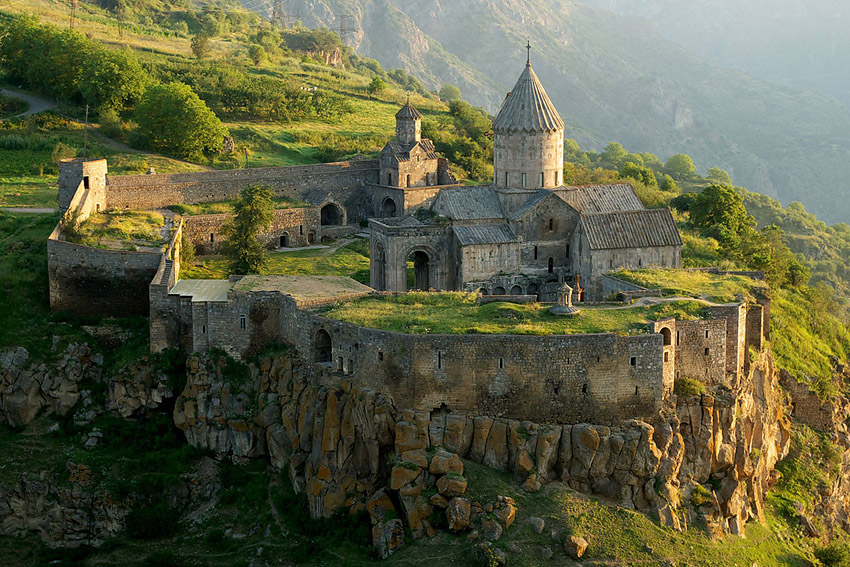
These ensembles in northwestern Iran bear testimony to the rich history and culture of Armenian Christianity. They include churches, monasteries, and cemeteries, many of which date back to the medieval period.
2. Bam and its Cultural Landscape
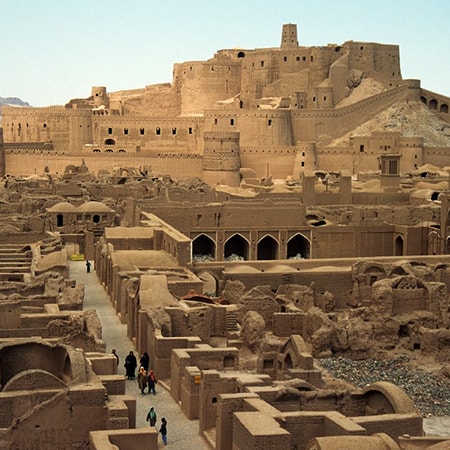
Bam and its Cultural Landscape, on the southern edge of the Iranian high plateau is a remarkable example of an ancient fortified city, showcasing the ingenuity and resilience of Iranian civilization. Its mud-brick citadel, intricate irrigation system, and surrounding desert landscape offer a unique glimpse into the past.
3. Bisotun
Bisotun is a historical site, located along the ancient trade route linking the Iranian high plateau with Mesopotamia and features remains from the prehistoric times to the Median, Achaemenid, Sassanian, and Ilkhanid periods. The most famous part is a rock relief depicting a scene from the reign of Darius the Great. It’s a significant archaeological and historical site, providing insights into the Achaemenid Empire.
4. Cultural Landscape of Hawraman/Uramanat
This cultural landscape in Kurdistan Province is a unique example of a traditional settlement system adapted to a mountainous environment. It features terraced fields, ancient villages, and stunning natural scenery.
5. Cultural Landscape of Maymand
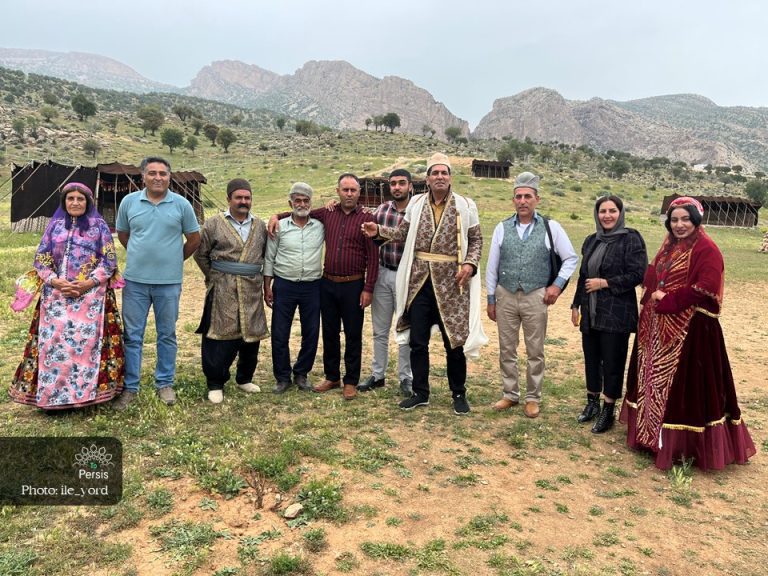
This ancient village area in Kerman Province is a living museum of Iranian culture. Its traditional mud-brick houses and unique lifestyle is a testament to the sustainable living practices of the Maymand people. They raise their animals on mountain pastures, living in temporary settlements in spring and autumn.
6. Golestan Palace
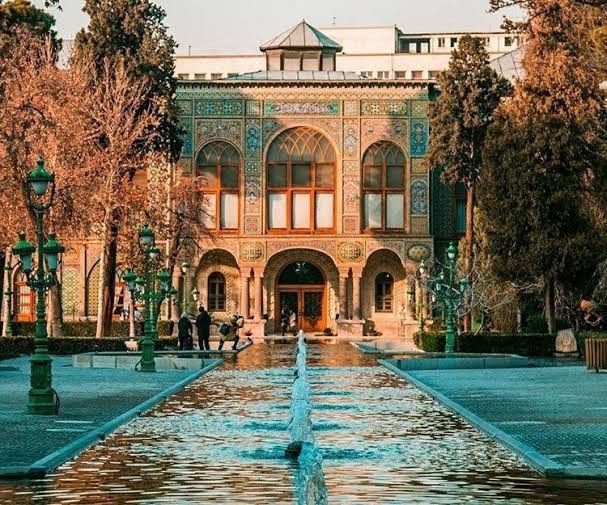
A magnificent complex of royal buildings, Golestan Palace in Tehran with the successful integration of earlier Persian crafts and architecture with Western influences, is a testimony to the splendor of the Qajar dynasty. Its ornate tilework, mirrored halls, and lush gardens offer a glimpse into the luxurious lifestyle of Iranian royalty.
7. Gonbad-e Qābus
This brick tower in Gonbad-e Kavus is a remarkable example of Seljuk architecture. It stands as a testament to the engineering skills of ancient Iranians This 53 m high tomb was built in 11th centyry for Qābus Ibn Voshmgir, Ziyarid ruler and literati, near the ruins of the ancient city of Jorjan in north-east Iran.
8. Hegmataneh
An ancient Median city, Hegmataneh is one of the oldest continuously inhabited cities in the world. It offers a glimpse into the history of the Median Empire.
9. Historic City of Yazd
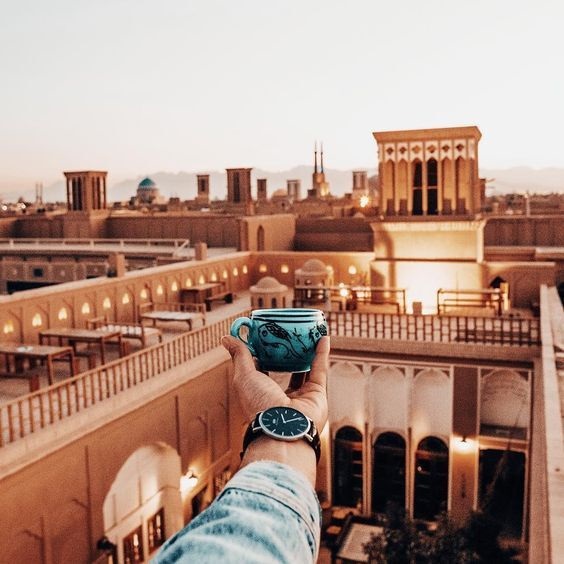
A living museum of Iranian culture, Yazd is a captivating blend of ancient traditions and modern life. It bears living testimony to the use of limited resources for survival in the desert. Its wind catchers, mud-brick houses, and Zoroastrian fire temples offer a unique glimpse into the past.
10. Masjed-e Jāmé of Isfahan
One of the world’s oldest continuously used mosques, the Jame Mosque of Isfahan is a masterpiece of Islamic architecture that can be seen as a stunning illustration of the evolution of mosque architecture over twelve centuries. Its intricate tilework, high minarets, and majestic courtyards offer a spiritual and aesthetic experience.
11. Naqsh-e Jahan Square (Meidan Emam, Esfahan)
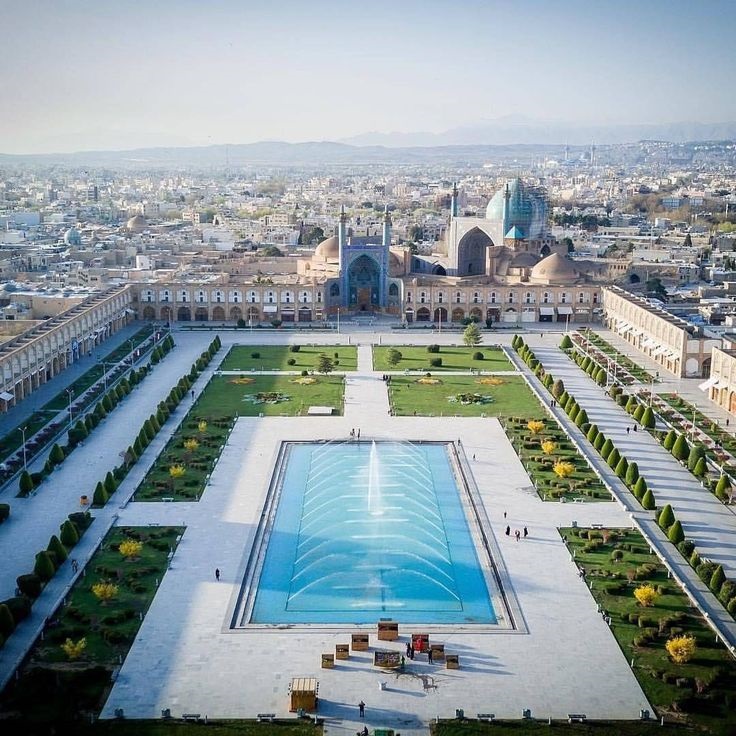
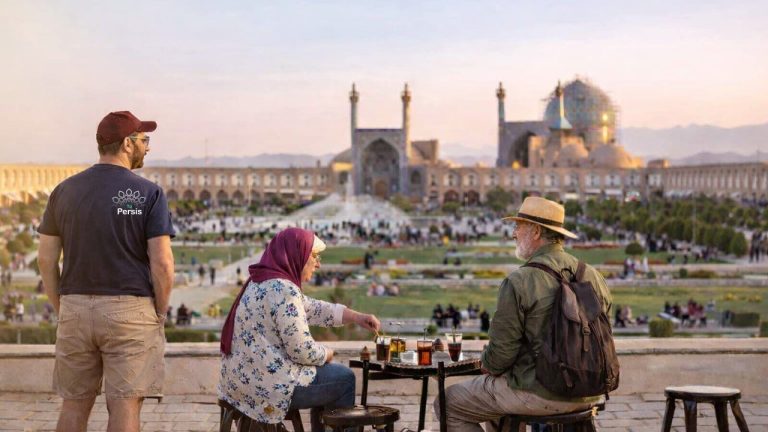
Situated in the heart of Isfahan, this iconic square is a masterpiece of Safavid architecture. It’s surrounded by stunning historical buildings, including the Sheikh Lotfollah Mosque, the Shah Mosque, and the Ali Qapu Palace. The square has been a vibrant center of commerce, culture, and religious activities for centuries.
12. Pasargadae
The first capital of the Achaemenid Empire, Pasargadae is a serene and ancient site that offers a glimpse into the origins of Persian civilization. Its monumental tombs, palaces, and gardens reflect the simplicity and grandeur of the early Persian kings.
13. Persepolis
Persepolis, the ceremonial capital of the Achaemenid Empire, is one of the most impressive archaeological sites in the world. Its magnificent ruins, including grand halls, intricate carvings, and towering columns, offer a glimpse into the power and wealth of ancient Persia.
14. Sassanid Archaeological Landscape of Fars Region
This landscape encompasses a vast area in Fars Province, including 8 archaeological sites from the Sassanian period. It offers a glimpse into the power and grandeur of the Sassanian Empire and bears witness to the influence of Achaemenid and Parthian cultural traditions and of Roman art.
15. Shahr-i Sokhta
The Burnt City, or Shahr-i Sokhta, is an archaeological site that offers a glimpse into the Bronze Age civilization of Iran. Its well-preserved artifacts, including intricate pottery and sophisticated writing systems, provide valuable insights into the past.
16. Sheikh Safi al-din Khānegāh and Shrine Ensemble in Ardabil
This 16th century ensemblein Ardabil is a masterpiece of Safavid architecture and a significant Sufi pilgrimage site. It features stunning tilework, intricate carvings, and a beautiful library.
17. Shushtar Historical Hydraulic System
This ancient water management system which can be traced back to Darius the Great in the 5th century B.C, is a remarkable example of engineering ingenuity. Its intricate network of canals, dams, and watermills showcases the skill of Iranian engineers.
18. Soltaniyeh Dome
A masterpiece of Ilkhanid architecture, Soltaniyeh is renowned for its magnificent blue dome, a marvel of engineering and artistry. This UNESCO site offers a glimpse into the Ilkhanid influence on Iranian culture and architecture.
19. Susa (Shush)
It’s an ancient city and archeological site in the south-west of Iran with a rich history dating back to the Elamite period. Susa contains several layers of superimposed urban settlements in a continuous succession from the late 5th millennium BCE until the 13th century CE. Its imposing ziggurat, royal palaces, and intricate reliefs showcase the grandeur of ancient civilizations.
20. Tabriz Historic Bazaar Complex
One of the oldest and largest covered bazaars in the world, Tabriz Historic Bazaar Complex is an elaborate network of shops, workshops, and tea houses. It offers a glimpse into the traditional commerce and culture of Iran.
21. Takht-e Soleyman
Located in West Azerbaijan Province, Takht-e Soleyman is an ancient religious complex associated with Zoroastrianism, Mithraism, and other religions. Its stunning architecture, including a large lake and a fire temple, has captivated visitors for centuries.
22. Tchogha Zanbil
This ancient Elamite temple complex is a remarkable example of Ziggurat architecture. Located in Khuzestan Province, it was built during the 13th century BC. The site features a central ziggurat, a massive stepped pyramid, surrounded by a fortified wall.
23. The Persian Caravanserai
A network of roadside inns, the Persian Caravanserai played a crucial role in facilitating trade and travel along the Silk Road. These caravanserais provided shelter, food, and water to travelers.
24. The Persian Garden
A cultural landscape that encompasses various historical gardens throughout Iran, the Persian Garden is a masterpiece of landscape architecture and it conceived to symbolize Eden. These gardens are known for their beauty, symmetry, and water features.
25. The Persian Qanat
An ingenious system of underground water channels, the Persian Qanat is a testament to the engineering skills of ancient Iranians. These Qantas have been essential for irrigation and water supply in arid regions.
26. Trans-Iranian Railway
A remarkable feat of engineering, the Trans-Iranian Railway connects the Caspian Sea in the northeast with the Persian Gulf in the southwest crossing two mountain ranges as well as rivers, highlands, forests and plains, and four different climatic areas. This 1,394-kilometre-long railway is a testament to human ingenuity.
27. Hyrcanian Forests
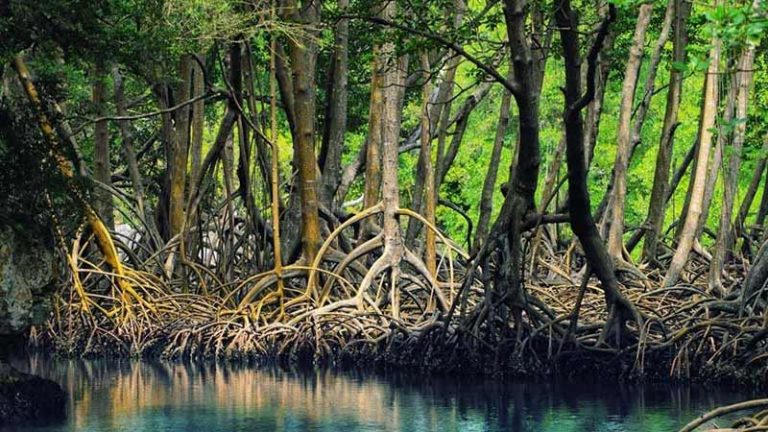
The Hyrcanian Forests are a vast expanse of ancient, lush forests stretching along the southern coast of the Caspian Sea in Iran and Azerbaijan. These forests, some dating back 50 million years, are a haven for biodiversity, housing a unique blend of plant and animal species, many of which are endemic to the region.
28. Lut Desert
One of the hottest and driest places on Earth, the Lut Desert is in the southeast of Iran with an arid continental subtropical area notable for a rich variety of spectacular desert landforms.
29. Prehistoric Sites of the Khorramabad Valley (2025)
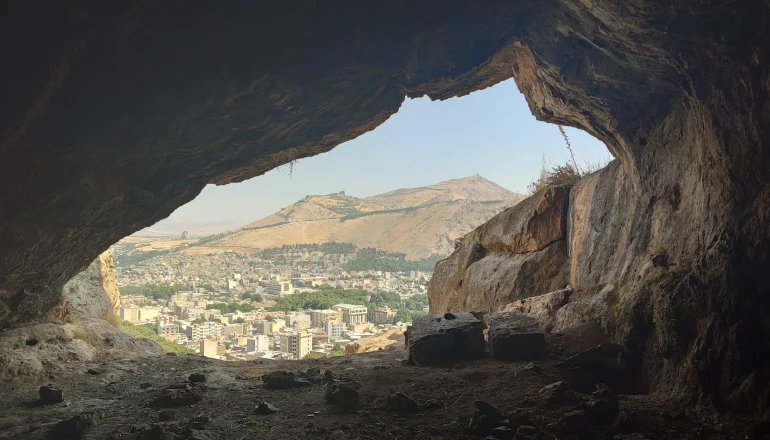
In 2025, UNESCO inscribed the Prehistoric Sites of the Khorramabad Valley as Iran’s 29th World Heritage Site. Nestled in the mountains of Lorestan, this valley preserves evidence of continuous human settlement dating back nearly 60,000 years. From stone tools to ancient cave dwellings, it tells the story of humanity’s earliest struggles for survival and innovation. Walking through this valley feels like traveling back to the dawn of civilization, where every rock and shelter whispers tales of our ancestors. For travelers seeking to explore Iran’s prehistoric heritage, Khorramabad now stands as a remarkable destination that bridges the past with the present.
Conclusion
By exploring these sites, you’ll gain a deeper understanding of Iran’s rich cultural heritage and the enduring legacy of its ancient civilizations. So, pack your bags, embrace the adventure, and prepare to be amazed by the wonders of Iran.
Want to discover more of Iran’s hidden gems? Don’t miss our article on the 3 Iranian villages recognized among the world’s best tourism villages, where tradition and sustainability come together in breathtaking harmony.